
Restaurant Photo Turnaround Without Lost Sales
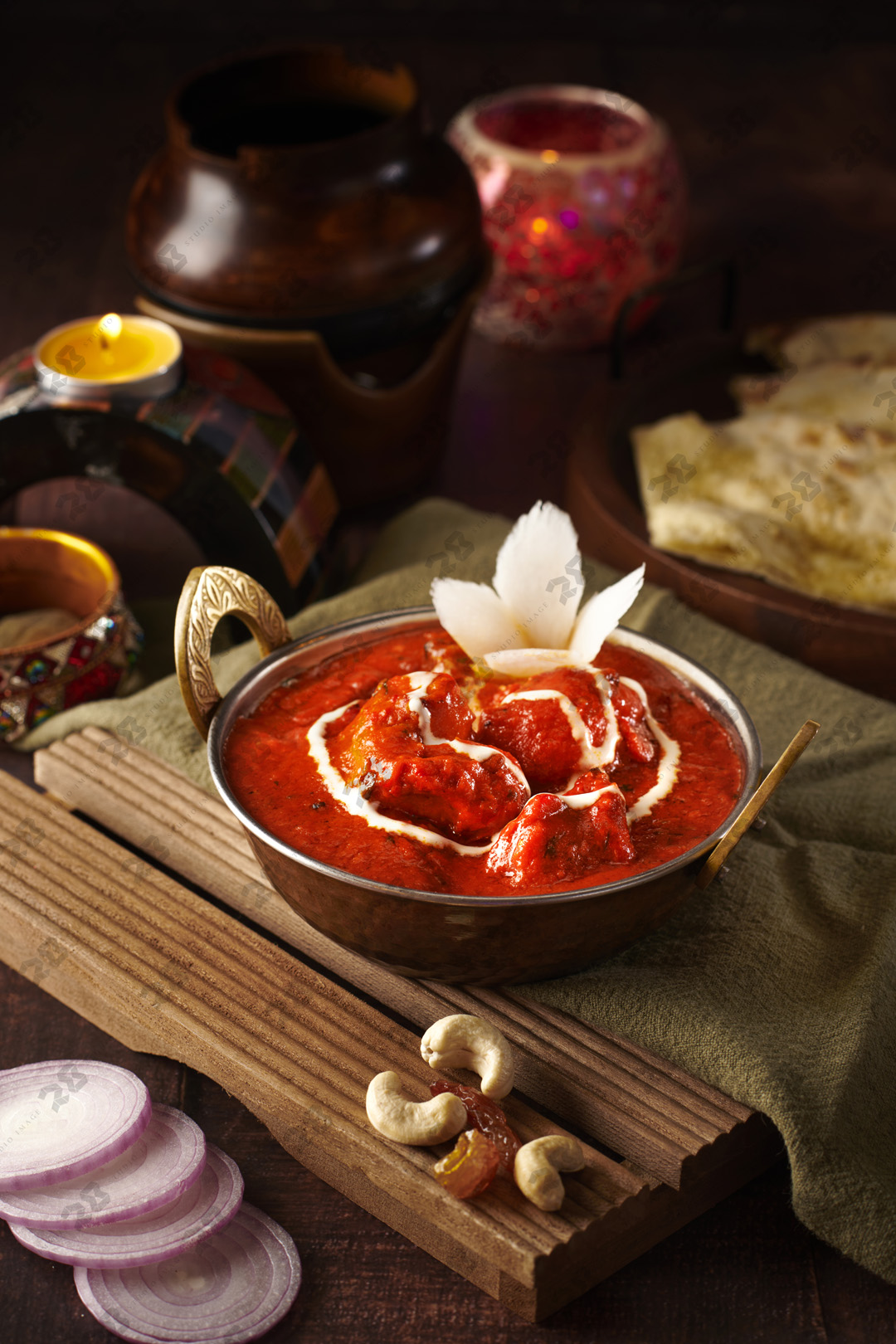
A new dish can be ready for service in a day. The marketing images often need more time. That gap matters when a menu launch, delivery-platform update, seasonal campaign, or new outlet opening is waiting on final visuals. A dependable restaurant photo turnaround is not simply about receiving files quickly. It is about receiving commercially usable images at the right stage of your campaign.
For restaurant owners and marketing teams, speed has value only when the food still looks accurate, the brand is consistent, and the files are prepared for every planned use. An image that arrives early but needs further corrections can delay a launch just as much as an image that arrives late.
What Determines Restaurant Photo Turnaround?
Turnaround begins before the camera comes out. The final timeline is shaped by the size of the shot list, the number of dishes, styling requirements, location conditions, approval steps, and the level of post-production needed. A simple menu refresh with a defined set of plated dishes moves differently from a full brand campaign involving hero images, lifestyle scenes, chef portraits, interior photography, and short-form video.
A professional food photography workflow generally has four stages: pre-production, shooting, selection, and post-production. Each stage protects quality while keeping the project moving.
Pre-production includes confirming the purpose of the images, identifying the required formats, building a shot list, and scheduling food preparation around the photography session. This is where a restaurant can prevent the most common delays. If the team has not confirmed which dishes are launching, who approves images, or whether the files are needed for print and digital use, decisions will spill into the production timeline.
The shoot itself depends on operational readiness. Food has a short visual window. Sauces set, ice melts, fried items lose texture, herbs wilt, and hot dishes can change appearance within minutes. A well-organized kitchen team, prepared ingredients, and a clear plating sequence allow the photographer to capture each dish at its best rather than waiting for the next item to be assembled.
After the shoot, the team selects the strongest frames and begins editing. This is not merely color adjustment. Professional retouching may involve refining color balance, correcting distracting marks on plates or surfaces, managing reflections, preserving realistic food texture, and ensuring every image sits consistently within the restaurant’s visual identity.
Typical Timelines for Restaurant Photography
There is no single turnaround time that fits every project. Still, knowing the usual factors helps marketing teams plan with confidence.
For a focused menu shoot with a modest number of dishes and a clear brief, initial selections may be available within a few business days, followed by final retouched images after approvals. Larger projects can take longer, particularly when they include multiple locations, extensive styling, a high number of final deliverables, or several stakeholders reviewing the work.
Rush delivery can be possible when a launch date is fixed, but it should be discussed before the shoot is booked. Fast-track editing requires the studio to reserve post-production capacity and may require the client to make selections and approvals promptly. The trade-off is simple: urgency is manageable when the scope is controlled. It becomes difficult when key creative decisions are still changing after photography begins.
For example, a cafe introducing six new drinks for social media and a digital menu may need a rapid, targeted production. A hotel restaurant preparing a full asset library for its website, print collateral, booking platforms, and advertising campaign needs a more structured schedule. Both projects benefit from experienced food photography, but their production plans should not be the same.
The Difference Between Previews and Final Files
One point often causes confusion: preview images are not always final delivery files. Proofs or contact sheets help the client identify preferred compositions. Final images are the approved files that have been retouched, exported in the agreed sizes, and checked for consistency.
Clarifying this distinction at the start avoids last-minute expectations. If your team needs a few priority images for an announcement, identify them in advance. The photographer can organize the workflow so those hero shots are selected and processed first, while the complete gallery follows on the agreed schedule.
How to Shorten the Timeline Without Reducing Quality
The fastest shoots are rarely the ones that rush on set. They are the ones where decisions were made before the session. Restaurants can protect their restaurant photo turnaround by treating photography as part of the launch plan, not as a final item to arrange after everything else is complete.
Start with the intended use. Images for a printed menu require different framing and resolution from images for delivery apps, websites, vertical social media posts, or large-format signage. When the photographer knows the destinations for the visuals, the team can capture the right compositions during the session instead of trying to crop one image into every format later.
Next, keep the shot list realistic. Every additional dish, angle, garnish variation, or lifestyle setup adds production time. That does not mean limiting the creative ambition of the campaign. It means separating essential images from optional images. Prioritize the dishes that drive revenue, represent the brand, or support an immediate promotion. Then allocate time for secondary content if the schedule permits.
A single decision-maker or a clearly defined approval process also makes a major difference. If input is required from operations, marketing, franchise management, and agency partners, establish who has final authority before review files are delivered. Consolidated feedback is faster and produces more consistent results than multiple rounds of contradictory comments.
Kitchen coordination is equally important. Prepare backup portions for critical dishes, especially items that are difficult to plate repeatedly. Have the correct serveware, garnishes, branded packaging, and props ready before the call time. If a dish needs to be photographed steaming, melting, pouring, or being cut open, tell the production team ahead of time so lighting and timing can be planned around that moment.
Build Delivery Requirements Into the Brief
A good brief does more than describe the food. It defines what success looks like after delivery.
Specify whether you need high-resolution images for print, web-optimized files for the website, square crops for marketplace listings, or vertical assets for social channels. Ask for a consistent naming system if your marketing team manages a large menu or several outlets. When images are organized by dish name, location, or campaign, they are easier to publish and reuse without confusion.
Brand consistency should also be discussed before production. Some restaurants need bright, clean menu photography that shows portion size and ingredients clearly. Others need mood-driven images that support a premium dining experience. Both approaches can work, but lighting, styling, backgrounds, and retouching need to match the intended position of the brand.
For restaurants operating across Johor Bahru, Kuala Lumpur, Singapore, or multiple Malaysian locations, consistency becomes even more valuable. A centralized visual standard helps every branch present the same level of quality across menus, websites, and advertising materials, even when dishes are photographed on different dates.
When a Faster Turnaround Is Worth It
A faster delivery schedule is most useful when the business opportunity is immediate: a time-sensitive promotion, a grand opening, a festive menu, a new delivery partnership, or a campaign already booked with media placements. In these situations, priority editing can protect the commercial value of the launch.
It is less useful to rush simply because planning began late. If the visuals will be used for months or years, it is usually better to allow enough time for proper selection, retouching, and file preparation. Food photography represents the product customers are being asked to buy. Small details in color, texture, lighting, and composition influence whether the meal appears worth ordering.
Choose a Production Partner That Plans for the Deadline
Restaurant photography should support operations, not disrupt them. An experienced commercial studio will ask practical questions about service hours, kitchen flow, menu priorities, desired deliverables, and approval timing before proposing a schedule. This planning reduces surprises and gives the restaurant a clearer view of when each stage will happen.
At Image 28 Studio, the focus is on visual content that works in real marketing environments – from menu boards and websites to social campaigns and delivery platforms. The goal is not just attractive food imagery, but images that help customers decide what to order.
The best time to discuss delivery is before the menu is finalized, not when launch day is already approaching. Give your photography team a clear brief, a realistic shot list, and a firm approval path, and your images can arrive ready to do the job they were created for: make the next order easier to choose.