
How a Product Photographer Drives Sales
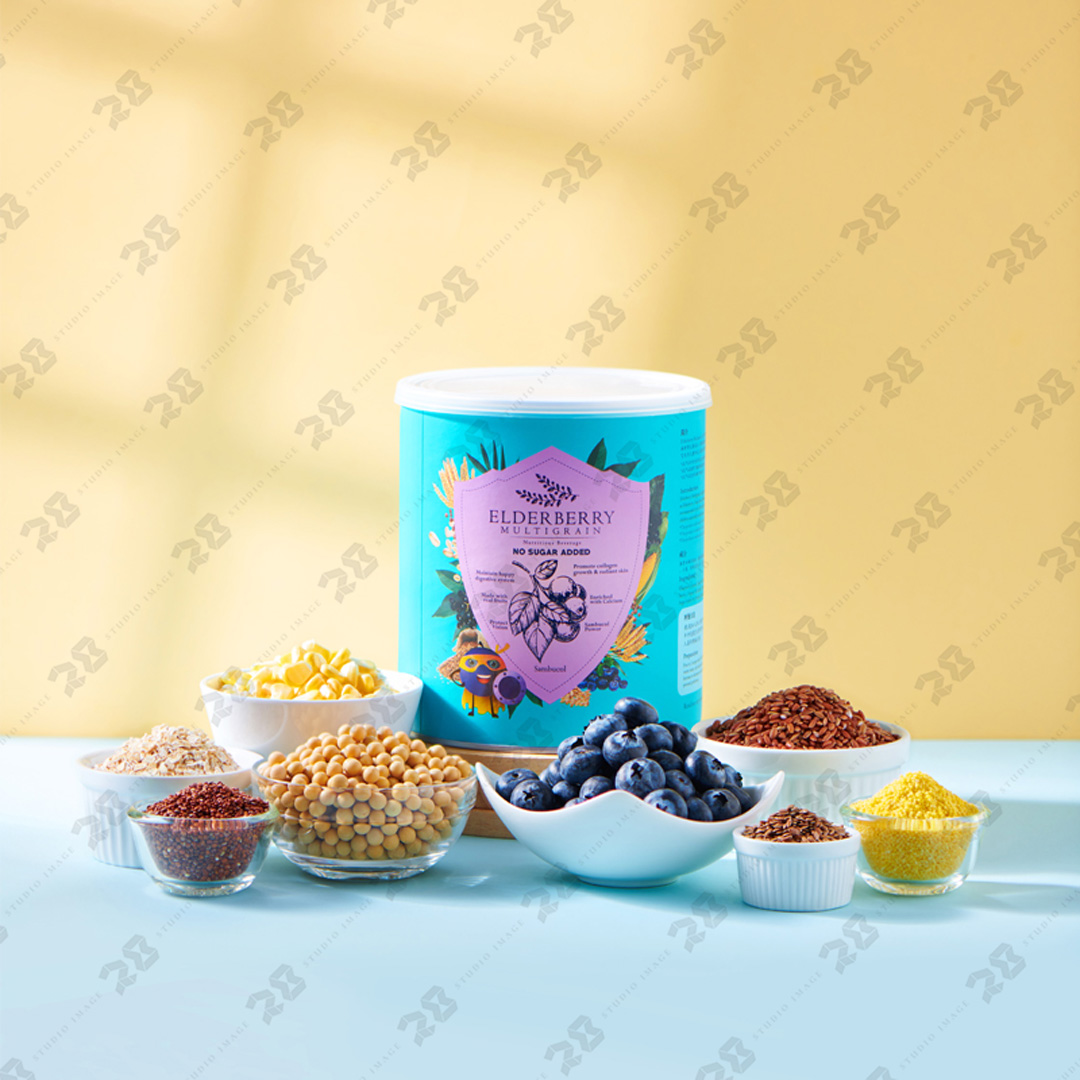
A customer may spend only seconds comparing your product with several alternatives on a marketplace page, retail shelf, or social feed. In that moment, image quality communicates more than appearance. A product photographer helps turn product features, materials, scale, and value into visuals that make the buying decision easier.
For e-commerce brands, manufacturers, F&B businesses, and corporate marketing teams, product photography is not simply a design expense. It is sales infrastructure. The right images support product launches, strengthen brand consistency, reduce customer uncertainty, and give marketing teams usable assets for every channel.
What Professional Product Photography Needs to Do
A clean image on a white background has a purpose, but it is rarely enough on its own. Customers want to understand what they are buying without having to guess. They need to see the product clearly, understand its size and finish, and imagine how it fits into their daily use, workspace, home, or business.
Professional photography addresses these questions through lighting, composition, styling, retouching, and a clear production plan. The goal is not to make every item look artificially perfect. It is to present the product accurately while emphasizing the details that matter to the buyer.
For example, a skincare brand may need texture shots, packaging details, and lifestyle scenes that reinforce a premium position. A kitchen equipment supplier may need precise product angles, control-panel close-ups, and in-use images that help commercial buyers evaluate functionality. A food manufacturer may need packaging photography that stays readable and appetizing in both print and digital formats.
The best approach depends on the product, the customer, and where the images will be used. That is why a brief matters before the camera comes out.
Product Photographer: Start With Commercial Use
The most effective photography project starts with a practical question: where will these images need to work?
A product page, an online marketplace listing, a catalog, a trade-show panel, and a paid social campaign have different visual requirements. Product images for a marketplace often need consistent angles, plain backgrounds, and strict file specifications. A website banner needs room for headline text. Social media may benefit from vertical crops, movement, or a stronger lifestyle setting. Print materials require higher-resolution files and careful color control.
When these uses are identified early, the shoot can produce a better range of assets without creating unnecessary variation. This protects the marketing budget and prevents the common problem of having attractive images that do not fit the next campaign format.
A professional product photographer should ask about the intended channels, audience, product range, launch timeline, brand guidelines, and required deliverables. These questions are not administrative details. They determine how the set is built, how products are styled, and how images are framed.
Packshots Build Clarity and Consistency
Packshots are the foundation of many product libraries. Usually photographed against a white, light gray, or brand-approved background, they show the product with minimal distraction. They are particularly useful for e-commerce stores, product catalogs, distributor materials, menus, and marketplace listings.
Consistency is what makes packshots valuable at scale. When a customer browses ten products in the same category, matched camera angles, lighting, shadows, and image proportions make the brand feel organized and dependable. Inconsistent product photos can make even a well-made range appear fragmented.
For products with reflective surfaces, transparent packaging, dark finishes, or complex textures, achieving a clean packshot takes technical control. Glass, metal, glossy labels, and chrome can reveal unwanted reflections quickly. Proper lighting and post-production are needed to retain shape and material detail without misleading the customer.
Lifestyle Images Create Context
Lifestyle photography gives products a role beyond the product page. It shows scale, use, mood, and audience fit. A coffee product can be placed in a morning café setting. A hospitality amenity can be shown in a guest-ready room. A consumer electronics product can appear in a realistic work or home environment.
However, lifestyle photography should serve the brand rather than overpower it. Overstyled scenes can distract from the product, while a generic setting can make the image feel interchangeable. The right balance is product-led, commercially relevant, and aligned with the customer you want to attract.
For many campaigns, a combination works best: clean packshots for conversion-focused pages and lifestyle images for advertising, social media, and broader brand storytelling.
Details That Affect Customer Confidence
Customers inspect images for cues that are often unconscious. They notice whether labels are sharp, whether colors appear believable, whether the product looks properly assembled, and whether the light reveals or hides important details. Small issues can create hesitation, especially for unfamiliar brands or higher-value purchases.
This is where careful preparation becomes essential. Products should arrive clean, complete, and in their best condition. Labels should be aligned. Packaging should be free of dents, fingerprints, and scratches. If there are multiple sizes, colors, or versions, each variation should be clearly identified before the shoot begins.
A shot list is equally useful. It helps the team confirm which hero image, angles, close-ups, group shots, and detail shots are needed for each SKU. For larger catalogs, a shot list prevents costly omissions and makes it easier to maintain consistent standards when new products are added later.
Retouching also needs the right level of restraint. It can remove dust, minor blemishes, distracting reflections, and temporary flaws. It should not change a product so heavily that the delivered item looks different from the image. Accuracy supports trust, and trust supports repeat purchase.
Choosing a Studio or On-Location Shoot
A studio is usually the most efficient option for controlled product photography. Lighting can be repeated accurately, backgrounds remain consistent, and the environment is not affected by weather, changing daylight, or operational interruptions. It is ideal for e-commerce ranges, packaging, small consumer goods, beauty products, industrial components, and catalog work.
An on-location shoot can be more suitable when the setting is part of the product story. Restaurant equipment, large machinery, furniture, hotel amenities, and architectural products may need to be photographed where they are used. This approach can add credibility by showing real scale and application.
There is a trade-off. Location work provides context but may introduce visual distractions and less control over timing. Studio work offers consistency and efficiency but may not show the full real-world application. A strong production plan may use both, with studio images forming the core product library and selected location images adding commercial context.
Plan for More Than One Campaign
A single well-planned shoot can support months of marketing activity. Rather than commissioning images only when a new post or brochure is needed, build a visual library with future use in mind.
This may include horizontal and vertical compositions, individual and group arrangements, close-ups of key details, images with clear negative space for copy, and seasonal variations where relevant. It also helps to capture content that works across website banners, product pages, email campaigns, sales presentations, digital ads, and printed materials.
Marketing teams benefit when files are delivered in a logical structure with clear naming and versions sized for their intended use. This reduces time spent searching for assets or recreating images that already exist. It also keeps visual quality consistent when different teams, agencies, or regional distributors use the content.
For businesses operating across Singapore and Malaysia, production planning can be particularly valuable. A fully equipped studio, clear product handling procedures, and an agreed delivery schedule help simplify cross-border campaigns while keeping the visual standard consistent across markets.
How to Evaluate a Product Photography Partner
Portfolio quality matters, but the right partner should also understand production discipline. Look for evidence of consistency across a range, not only a few standout hero shots. Review whether the images make materials look believable, packaging readable, and products easy to compare.
Ask how the studio handles briefing, sample delivery, styling, shot approval, retouching, and final file formats. These details determine whether the project moves efficiently from planning to launch. If the work involves a large SKU count, confirm how image standards will be maintained across the full range.
Experience across commercial categories is useful because each type of product brings different technical demands. Food packaging needs appetite appeal and legibility. Industrial products need scale and functional clarity. Beauty products need precise lighting and refined surface work. Hospitality products need a polished presentation that fits the guest experience.
With more than 17 years of commercial photography experience, Image 28 Studio approaches these requirements with a practical focus: create visual content that is accurate, consistent, and ready to support real marketing activity.
Make the Next Product Launch Easier to Buy
The strongest product images do not ask customers to work hard. They answer the questions that slow a purchase: What is this? What does it look like? How is it used? Why does it belong in my cart, on my shelf, or in my business?
Before your next shoot, gather your product samples, identify the channels that matter most, and decide what customers need to see before they buy. A clear brief and the right photography partner will give your team more than polished images. They will give your products a stronger, more credible way to sell.